Why listening to English podcasts for an hour daily doesn't improve speaking skills

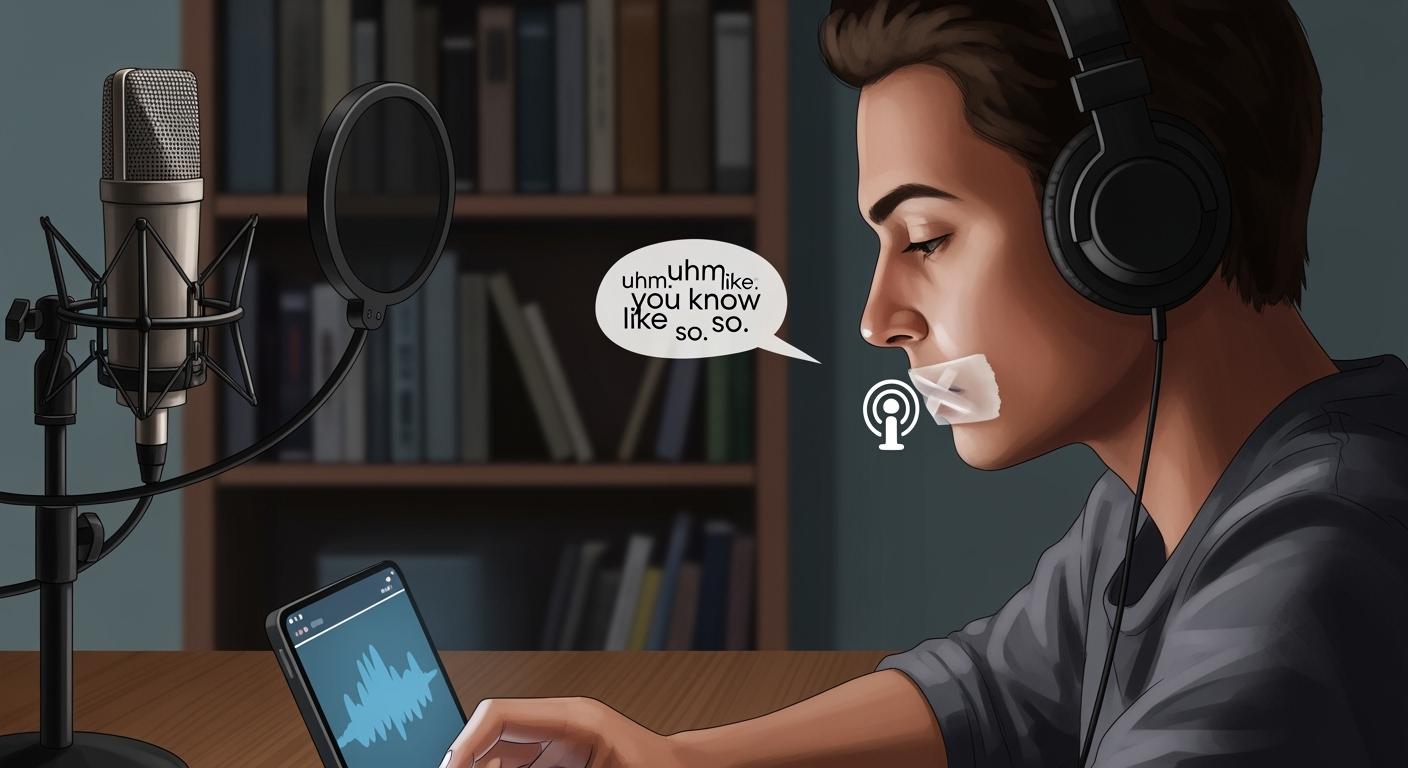
You might listen to English podcasts for an hour each day, but you will not see significant changes in your speaking skills. Many people think that just listening to English can help them speak well, but studies show that merely listening makes people miss important details and does not enhance their speaking abilities.
Students cannot learn solely by attending class, listening to teachers, memorizing homework, and providing answers. They need to engage in discussions about what they learn, write about it, connect it to their existing knowledge, and apply it in their daily lives.
If you want to speak English fluently, you need to practice and receive feedback. Tools like Notion can assist you in tracking your learning progress and improving step by step.
Key Takeaways
Just listening to podcasts will not help you speak better. You must practice speaking if you want to get better.
Try to speak out loud by repeating what you hear. You can also tell someone what you learned in your own words. This helps you use new words when you talk.
Getting feedback is very important. Use apps or ask people to help you fix your mistakes. They can help you learn the right way.
Join groups or go to events where you can talk with others. This lets you practice speaking in real life. It also helps you feel more sure and speak more easily.
Use three steps: listen to podcasts, practice talking, and check your feedback. This plan helps you get better at speaking.
Why English Podcasts Alone Don’t Boost Speaking
Passive Listening vs. Active Practice
Some people think listening to podcasts every day helps them speak English better. This idea is common, but it is not true. Listening is a passive skill. When you listen to English podcasts, you get information. You do not use the language yourself. Experts say passive listening does not build strong comprehension skills. You need to do more than just listen.
Active practice is different. You have to use the words and phrases you hear. This means you should speak out loud, repeat sentences, or tell what you learned. When you practice this way, you move words from your passive vocabulary to your active vocabulary. This step is important if you want to speak well.
Tip: Try to repeat or explain what you hear in podcasts. This helps you remember and use new words.
The Limits of Comprehension Without Output
You might understand every word when you listen to podcasts for English learners. But understanding does not mean you can use the language in real life. Many learners have the "can understand but can't speak" problem. You can listen and understand, but you cannot speak easily. This happens because your brain only gets information. It does not practice sending information out.
If you only use English podcasts, you might make some mistakes:
You use formal English from podcasts, so your speech sounds stiff.
You memorize phrases but do not know when to use them, so your speaking sounds robotic.
You do not get feedback, so you keep making the same mistakes.
Listening to podcasts gives you good input, but you need output to get better at speaking. You must practice speaking, make mistakes, and learn from them. Only then will you see real progress.
The Missing Elements in English Speaking Progress
No Feedback, No Correction
You can listen to podcasts every day, but you do not get feedback or correction. When you practice speaking English, you need someone or something to show your mistakes. Feedback helps you see errors in how you say words, use grammar, and pick words. Correction lets you fix these mistakes before they become habits. If you do not get feedback, you keep making the same mistakes and your speaking gets better very slowly.
Many language learning apps use feedback to help you get better. For example:
App | Correction Method | |
|---|---|---|
Talkpal | Real-time AI conversation practice | Adapts to user responses |
Busuu | Community feedback from native speakers | User reviews and corrections |
Speak | Detailed feedback on expressions | Explains why expressions are awkward |
Babbel | Voice recognition for pronunciation | Provides pronunciation practice |
Rosetta Stone | Voice recognition for pronunciation | Focuses on pronunciation skills |
Podcasts do not give you this kind of help. You listen, but you do not know if you understand everything or if your own speaking sounds right. You need feedback to learn how native speakers talk and to build important language skills.
Lack of Targeted, Real-World Practice
You need real conversations to get better at speaking. Podcasts help you listen, but they do not let you join a talk or practice speaking. You must use what you learn in real life. Practicing with other people helps you feel more sure and learn how to answer fast.
Here are some good ways to practice English speaking in real life:
Join a group or find a partner to talk with often.
Go to language exchange events to practice talking and listening with native speakers.
Try activities like shadowing or dictation to get better at speaking.
You should focus on the 20% of mistakes that cause most of your problems. This is called the 20/80 rule. When you fix these main mistakes, you improve faster. Practice is important. You need to use what you learn from podcasts right away. This helps you remember new words and phrases. You get really good at speaking by practicing again and again.
You should listen and read a lot before you start speaking and writing. You learn best this way.
Podcasts are helpful for learning, but you need more than just listening. You must join talks, get feedback, and practice speaking with others. This is how you move from just listening to speaking well.
An Effective Workflow for English Speaking

If you want to get better at speaking, you need more than just listening. You need a simple plan that helps you go from just listening to speaking with confidence. This plan has three steps. It mixes listening, speaking, getting feedback, and reviewing your work. If you follow these steps, you will see real changes.
Step 1: Passive Absorption with English Podcasts
Start by listening to podcasts to get new language ideas. Listen while you ride the bus or do chores at home. You will hear new words and phrases. You also learn new ideas. This step fills your mind with useful language. You do not have to know every word. Try to understand the main ideas and how people use expressions.
Tip: Pick podcasts about things you like. You will want to keep learning and remember words that fit your life.
Teachers say you should start with listening. You can also use read-alouds, music, and pictures to help you understand. Here is a table that shows how learning starts with listening and grows into speaking:
Language Stage | Strategies |
|---|---|
Pre-production | Listen to podcasts, use visuals, model language through actions |
Early Production | Repeat phrases, try simple speaking tasks |
Speech Emergent | Tell stories, use new vocabulary |
Beginning Fluency | Join group discussions, share ideas |
Intermediate Fluency | Summarize, use advanced vocabulary |
Podcasts give you the base you need for the next steps. You build a strong start for speaking.
Step 2: Active Speaking and Instant Feedback
Now, you need to speak out loud. Try to tell what you heard in the podcasts. Use a voice recorder or an AI tool. Talk for five to ten minutes. You will see which words are easy and which are hard.
Feedback is very important here. You need to know what you did right and what you need to fix. Getting feedback right away helps you learn faster. You remember better when you fix mistakes quickly. Here is a table that shows why fast feedback helps you get better at speaking:
Feedback Type | Performance in Immediate Tests | Performance in Delayed Tests | Long-term Retention Impact |
|---|---|---|---|
Immediate Feedback | Superior | Stronger effects | Improved retention |
Delayed Feedback | Standard | Weaker effects | Less effective |
Work on one thing at a time. For example, practice saying words today and grammar tomorrow. Make sure feedback is clear and simple. Fix mistakes fast so you can remember what you learned.
Note: AI tools can tell you right away how you did with fluency and pronunciation. You get a report that shows what you are good at and what you need to improve.
Step 3: Refinement and Digital Archiving
After you practice speaking, look at your feedback. Record your speaking every few months. You will see how your words, grammar, and confidence get better. Use digital tools to keep track of your learning. Make your own phrase book in Notion or another app. Add new words and corrections from your feedback.
You can also take online tests to see how much you have improved. Keep track of how much time you spend speaking. This helps you stay interested and keep going.
Tip: Ask AI tools to explain grammar or show the difference between words. You will understand more and use English in a better way.
When you mix listening, speaking, feedback, and review, you get better at English faster. You feel more sure, sound more natural, and make your own phrase book for daily use.
You feel less scared when you talk.
You use real words, not just words from a textbook.
You can see your progress and know what to practice next.
This plan helps you turn podcasts into real speaking skills. You go from just listening to being able to speak well.
Listening to English podcasts helps you learn, but you need more to speak well. You must practice speaking, get feedback, and focus on your main mistakes. Try the three-step workflow each day. Build habits with simple routines and repeat them often.
Active speaking leads to better results than just listening. You remember more and feel more confident.
Next steps for you:
Listen to English daily.
Speak out loud and record yourself.
Review feedback and improve one mistake at a time.
Keep your routine simple and steady for real progress.
FAQ
Why doesn’t listening to English podcasts make me speak better?
You only listen and understand. You do not practice speaking. Speaking needs active use of words and feedback. Podcasts give you input, but you need output to improve.
How can I turn podcast listening into speaking practice?
You can repeat sentences out loud. You can summarize what you hear. You can record yourself and check for mistakes. Try to use new words in daily conversations.
Do I need feedback to improve my English speaking?
Yes. Feedback helps you find and fix mistakes. You learn faster when you know what to improve. You can use AI tools or ask friends for feedback.
What is the 20/80 rule in language learning?
You focus on the 20% of mistakes that cause 80% of your problems. Fixing these key errors helps you improve quickly. You save time and effort.
Can I use digital tools to track my speaking progress?
Yes. You can use apps like Notion to save new words and phrases. You can record your speaking and review feedback. This helps you see your growth over time.
See Also
The Challenges Smarter AI Face In Enhancing Your English Speaking
Reasons Many Professionals Avoid Speaking English After Years Of Study
Discover How Yoodli Assists In Tackling Public Speaking Issues
Fluently Or ChatGPT: Which Is The Better Workplace Speaking Mentor?
Evaluating AI Agents: Fluently, ELSA, Speeko - Who Provides The Best Data?

© Copyright 2025 LinkstartAI - All Rights Reserved.