Why smarter AI agents struggle to help you improve your English speaking skills

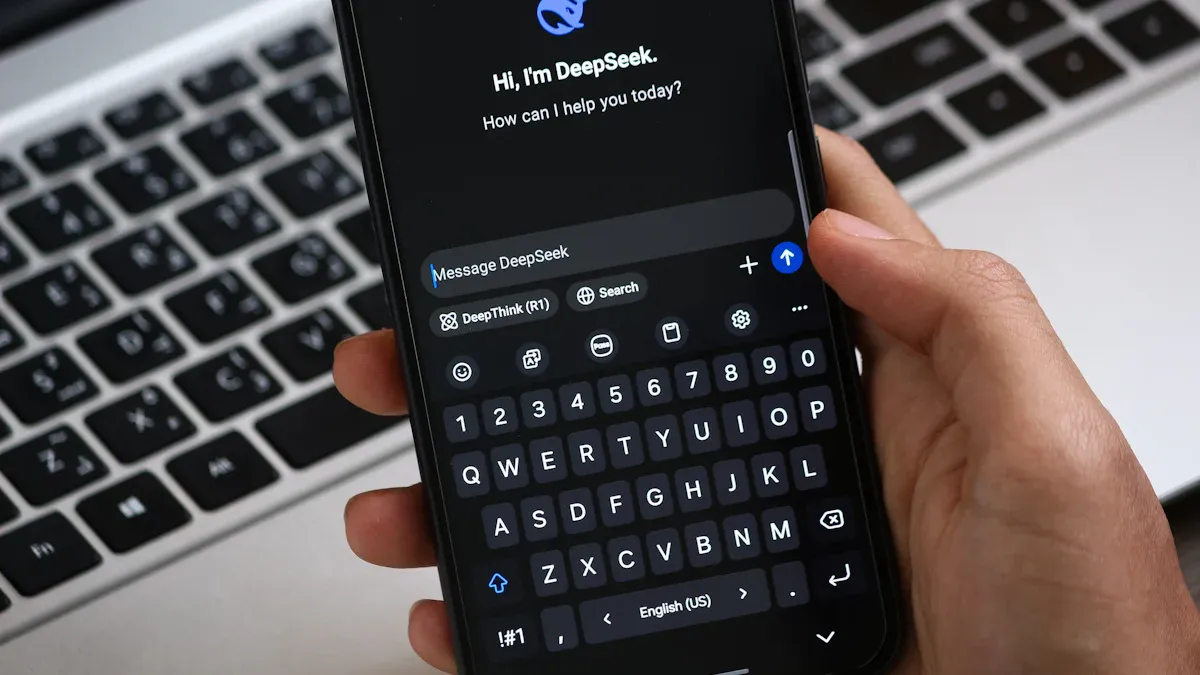
You may ask why a smarter AI agent can still make you feel upset when you try to get better at speaking English. Even with tools like Fluently, you can encounter issues that slow down your progress. Many people worry about these things:
Feedback that is not clear or is unfair, which makes you doubt your skills
Answers that are incorrect and do not fit real conversations
Relying too much on AI, which can make it tough for you to feel confident in yourself
These problems can make you feel disheartened, especially when you seek honest help right away.
Key Takeaways
AI tools help with grammar and vocabulary. But they have trouble with slang and informal words. This can make talks feel strange and not natural.
Sometimes, AI answers come late. This can break the flow of talking. It can make you feel upset and confused when you practice.
AI feedback might not fit how you learn best. This can make it hard to see your mistakes. It can also make it tough to get better.
Using AI and real talks together can help you learn more. You get safe practice and support for your feelings.
Practicing with AI often can make you feel braver. But talking with people is important for feelings and learning more deeply.
AI and Natural Speech
Understanding Everyday Conversation
You probably notice that talking with a smarter AI agent can feel a bit off sometimes. Even when you use the latest tools, you might find that the AI does not always understand the way people really speak. Everyday English is full of slang, idioms, and informal phrases. These are tricky for AI to catch.
Take a look at this table. It shows how AI models struggle with slang and informal language:
Evidence Description | Findings |
|---|---|
LLMs assign lower probabilities to slang compared to literal equivalents | Indicates a lack of knowledge about slang in models like BERT. |
GPT-4 performs well in zero-shot settings but struggles with slang detection | Shows limitations in recognizing slang, as seen with the term 'pissed'. |
Poor performance on UK slang and contemporary slang | Suggests challenges due to limited training data on regional and modern slang. |
When you chat with AI, you may use words or phrases that sound natural to you. The AI might miss the meaning or give you a strange reply. For example, if you say, "I'm beat," you mean you are tired. The AI could get confused and not understand your feeling. This can make your practice feel less real.
User reviews of tools like ChatGPT and Fluently point out these problems. Many users say that AI can help with grammar and vocabulary, but it often misses the mark with pronunciation and rhythm. Some people mention that AI gives wrong vowel sounds or does not catch the way words flow in real speech. You may also notice that AI cannot listen to your voice or give feedback on how you sound. This makes it hard to improve your spoken English just by using AI.
Generating Authentic Responses
When you talk to a person, you get real reactions. People laugh, change their tone, or show emotion. AI tries to copy this, but it is not perfect. Here are some things you might notice:
AI can answer quickly and keep the conversation going.
It helps you practice common questions and answers.
Sometimes, the replies feel flat or robotic.
You may not feel the same connection as you do with a real person.
Human responses bring more emotion and can surprise you, while AI often sticks to safe, simple answers.
A smarter AI agent can make your practice easier and more flexible. Still, you might miss the spark and depth that come from real conversations. As you keep learning, you may want to mix AI practice with real-life chats to get the best results.
Smarter AI Agent and Real-Time Feedback
Delays and Inaccurate Corrections
Have you ever tried to practice English with a smarter AI agent and felt like the conversation just didn’t flow? You say something, then you wait. Sometimes, you get a reply after a long pause. Other times, the AI jumps in before you finish your thought. These delays can make you feel awkward, like you’re talking to a robot instead of a person.
Let’s look at some common problems you might face:
Challenge | What Happens to You? |
|---|---|
You wait for the AI to process your words, which breaks the rhythm of your speaking. | |
Broken Conversation Logic | The AI loses track of what you mean or repeats questions, making things confusing. |
UX and Human Factors | The AI interrupts you or doesn’t notice your feelings, so it feels cold. |
You might also notice that a smarter AI agent sometimes mishears your words. Maybe you say “beach,” but it thinks you said “peach.” This can lead to strange corrections or advice that doesn’t fit what you meant. If you practice in a noisy place, the AI can get even more confused. When you see the AI’s transcript of what you said, it can feel weird—like you’re looking behind the curtain at how the robot works.
Here are a few things that can happen:
The AI gives you feedback on something you didn’t actually say.
It corrects you for mistakes you didn’t make.
It misses real errors because it didn’t hear you right.
These moments can make you doubt yourself, even when you know you spoke correctly. You might feel frustrated if you keep getting the same wrong feedback.
Adapting to User Needs
A smarter AI agent tries to help you by giving feedback and tips. But it doesn’t always understand your unique way of learning. Human teachers can pick up on small clues in your answers. They know when you’re confused or when you need a different kind of help. AI, on the other hand, often misses these signals.
Here’s what you might notice:
The AI gives you the same type of correction, no matter how you learn best.
It doesn’t always explain why something is wrong in a way that makes sense to you.
Sometimes, it can’t tell if you’re making a simple mistake or if you really don’t understand.
Note: You might feel like the AI is just checking boxes instead of really listening to you.
A smarter AI agent can help you practice grammar or vocabulary, but it struggles with context. It might not catch the real reason behind your mistake. For example, if you use the wrong tense, the AI may just say, “Use past tense here,” without explaining why your answer doesn’t fit the situation.
Personalized learning paths are another challenge. While some AI tools try to adjust to your level, they often focus on single skills instead of your whole language journey. You may get better at one thing, like pronunciation, but not see much progress in other areas. The AI might not remember your past mistakes or help you build on what you’ve learned.
Here’s a quick list of what makes adapting hard for AI:
Trouble understanding the full context of your answers
Difficulty giving feedback that matches your learning style
Challenges with rare or unique mistakes
Focus on isolated skills instead of your overall growth
If you want to improve your English speaking, you need feedback that fits you. A smarter AI agent can give you practice and corrections, but it still has a long way to go before it feels as personal and helpful as a real teacher.
Pronunciation and Nuance Challenges

Detecting Subtle Errors
When you practice English, you want to sound clear and natural. That means getting the small details right—like the difference between "ship" and "sheep." A smarter AI agent can help you spot some mistakes, but it often misses the really subtle ones. You might notice that your feedback feels a bit off, especially if you have a unique accent or use regional expressions.
Specialized pronunciation apps do a better job with these details. Here’s how some of them work:
BoldVoice gives you real-time feedback on your pronunciation and offers lessons that match your needs.
Speechling lets you compare your speech to native speakers and helps you reduce your accent.
ELSA Speak checks your speech patterns with high accuracy and gives you instant corrections.
These tools focus on the sounds of English. They help you fix tricky vowels and consonants. Many users say ELSA is great for getting sounds right, but it doesn’t always boost your confidence in real conversations. You get detailed feedback, but sometimes the scoring feels inconsistent, especially if you have a regional accent. You might need to use these apps regularly to see real progress.
AI tools like Pronounce AI try to help with conversational flow and intonation. They adapt to your speech and give you tips on how to sound more fluent. Still, you may find that a human tutor can pick up on things that AI misses, like the rhythm of your speech or the way you stress certain words.
Missing Emotional and Cultural Context
Speaking English isn’t just about saying the words correctly. You also need to show emotion and understand cultural cues. A smarter AI agent can try to guess your feelings, but it doesn’t always get it right. Sometimes, you might feel like the AI is missing the point or not reacting to your mood.
Let’s look at what research says about AI and emotion:
Study | Findings |
|---|---|
D’Mello and Graesser (2012) | AI can predict emotions like boredom or frustration by analyzing conversations. |
Arguel et al. (2019) | AI detects emotions in digital learning and tries to adapt to your needs. |
Rodríguez et al. (2020) | AI classifies emotions during interactions, helping understand your experience. |
Sumithra et al. (2022) | AI measures emotion intensity and tailors lessons to help you succeed. |
AlZu’bi et al. (2022) | Deep learning boosts emotion detection and productivity in education. |
Even with these advances, you might still feel anxious or frustrated when the AI doesn’t understand your tone. Many users say they feel stress or worry when the feedback seems cold or robotic. Human tutors bring empathy and creativity to the table. They can read your mood and adjust their teaching style. AI is getting better, but it still has a hard time with the emotional and cultural side of language.
Tip: If you want to improve both your pronunciation and your confidence, try mixing AI tools with real conversations. This way, you get the best of both worlds.
The Human Learning Gap
Robotic or Repetitive Interactions
Have you ever felt like you’re talking to a robot when you practice English with an AI agent? You’re not alone. Even the smartest AI can sometimes sound stiff or repeat the same phrases. This can make your practice sessions feel less exciting. You might notice the AI asks similar questions or gives the same feedback over and over. It doesn’t always remember your past conversations or change its style to match your mood.
Still, there’s a bright side. Many learners say that practicing with AI helps them feel more confident. You get to speak without fear of being judged. Some studies show that regular practice with AI can boost your speaking skills and lower your anxiety. When you know the AI won’t laugh at your mistakes, you might feel braver and more willing to try new words. A supportive environment, even from a robot, can help you stay motivated.
Repetitive practice with AI can increase your confidence.
You may notice your speaking performance improves over time.
A safe space to make mistakes helps you feel less anxious.
Self-paced learning lets you control your progress.
Motivation and Confidence Issues
Learning a language is not just about grammar and vocabulary. You need encouragement and emotional support, too. AI agents try to help, but they can’t always give you the same warmth as a real person. Sometimes, you might feel a bit lonely or unsure if you only practice with AI. The feedback can feel cold, and you may miss the friendly smile or nod from a teacher.
AI tools do help many people feel less nervous about speaking. They can make learning more enjoyable. However, the emotional support from AI is still limited. Most research looks at college students, so younger learners might not get the help they need. We don’t know much about how AI affects your feelings in the long run, because there aren’t many long-term studies yet.
AI can help reduce your anxiety and make practice more fun.
Emotional support from AI is not as strong as from a human teacher.
Younger learners may need more encouragement than AI can give.
We still have a lot to learn about how AI affects your motivation over time.
If you want to keep growing, try mixing AI practice with real conversations. This way, you get the best of both worlds—a safe place to practice and real human support when you need it.
You know that a smarter AI agent cannot take the place of real English practice. These tools still have trouble giving correct feedback and keeping up with your talking speed. They also miss the feeling that comes from talking to people. Experts say AI talks can sound stiff and do not notice your feelings. New technology helps with speech recognition and learning that fits you better. But you will learn best if you use AI along with real conversations, coaching, and fun games. Keep practicing and stay interested. Let AI help you, but remember how important it is to learn with other people!
FAQ
How can I get the most out of practicing English with an AI agent?
Try to speak out loud as much as you can. Use the feedback to spot your weak points. Mix AI practice with real conversations. If you get stuck, ask the AI for examples or tips.
Why does the AI sometimes misunderstand what I say?
AI listens for certain sounds and words. If you speak quickly or have background noise, it may get confused. Speak clearly and check your microphone. If the AI makes a mistake, just repeat yourself.
Can AI help me sound more like a native speaker?
AI can help you with pronunciation and common phrases. It gives you tips on how to sound more natural. For the best results, listen to native speakers and try to copy their style.
What should I do if I feel bored or unmotivated with AI practice?
Try changing topics or asking the AI new questions. Set small goals for each session. Celebrate your progress, even if it’s just one new word. Practice with friends or join a language group for extra fun.
Is it okay to rely only on AI for learning English speaking?
You can use AI for daily practice, but real conversations matter. Talk with people when you can. AI is a great tool, but it works best when you use it with other learning methods.
See Also
Exploring The Functionality Of AI Agents In Depth
Jule: The AI Tool Simplifying Software Development Tasks
Enhancing Decision-Making Processes Through AI Technology
AI Translation Solutions For Calls, Events, And APIs
Best AI-Driven Learning Applications For Personal Growth In 2025

© Copyright 2025 LinkstartAI - All Rights Reserved.