HuggingFace courses

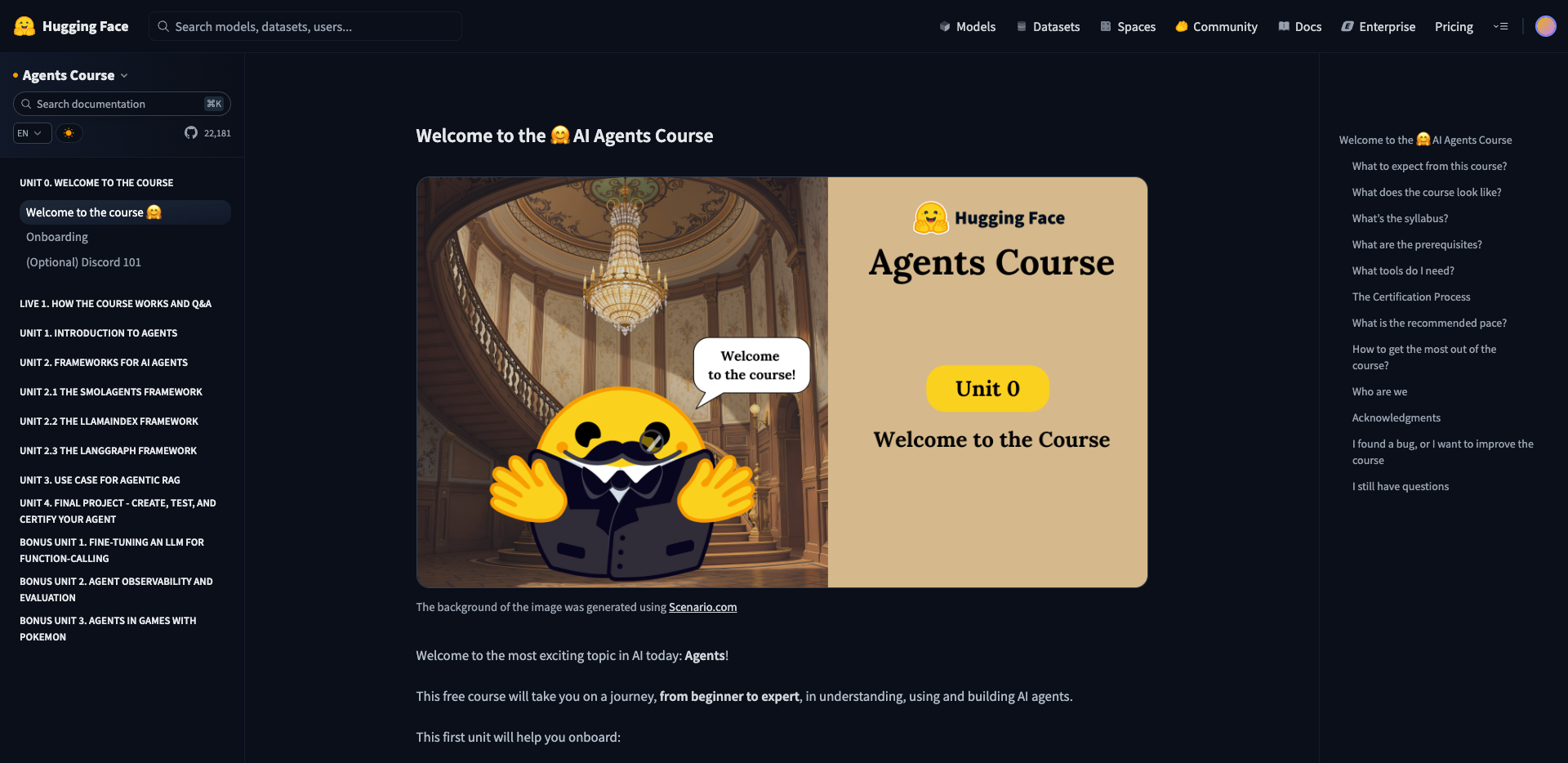
You can find a wide range of huggingface courses designed for anyone interested in AI and natural language processing. Many hugging face courses, such as the LLM Course, offer both free access and certification, which sets them apart from other platforms. For example, every course from Hugging Face is free and certified, while most other platforms charge for similar offerings:
Platform | Free and Certified Courses | Notes |
|---|---|---|
Hugging Face | All courses mentioned are free and certified. | |
Stanford | No | Offers paid courses. |
Udemy | No | Primarily paid courses. |
edX | Some | Free to audit, charges for certification. |
Coursera | Some | Free to audit, charges for certification. |
You will experience hands-on learning and use real tools from the Hugging Face ecosystem.
Key Takeaways
Hugging Face offers 100% free and certified courses in AI and natural language processing, making it accessible for everyone.
Courses cover a variety of topics, including large language models, AI agents, and computer vision, allowing you to choose based on your interests.
You can earn certifications at different levels, showcasing your skills and enhancing your career opportunities in AI.
Hands-on learning is emphasized, with practical labs and projects that help you apply concepts in real-world scenarios.
Joining the Hugging Face community provides support, feedback, and opportunities to collaborate on AI projects.
HuggingFace Courses Overview
Main Course Types
You can explore many huggingface courses that cover different areas of artificial intelligence. Each course focuses on a unique subject, so you can choose what interests you most. Here are some of the main types you will find:
LLM Course: Learn about large language models and natural language processing.
MCP Course: Study Model Context Protocol theory and practical design.
Agents Course: Build and deploy AI agents for real-world tasks.
Deep RL Course: Dive into deep reinforcement learning and its applications.
Computer Vision Course: Master image classification and object detection.
Audio Course: Apply transformers to audio data and analysis.
Open-Source AI Cookbook: Use practical notebooks for hands-on learning.
ML for Games Course: Integrate AI models into game development.
Diffusion Course: Explore diffusion models for generating images and audio.
ML for 3D Course: Work with machine learning in 3D environments.
You can see how each course type focuses on a different skill or technology. The table below shows the key features of some popular courses:
Course Type | Key Features |
|---|---|
LLM Course | Learn transformer architecture, pre-training, fine-tuning, and prompt engineering. |
Agents Course | Build AI agents and learn deployment strategies. |
MCP Course | Understand Model Context Protocol and its uses in AI. |
Computer Vision Course | Study image classification, object detection, and vision-language models. |
Audio Course | Focus on speech recognition and music generation. |
Deep RL Course | Explore deep reinforcement learning concepts. |
Diffusion Course | Learn about generative tasks using diffusion models. |
ML for Games Course | Use AI tools in game development workflows. |
ML for 3D Course | Apply machine learning to 3D applications. |
Free AI Courses
You can access free ai courses on the Hugging Face platform. These courses cover many topics, so you can learn about LLMs, AI agents, computer vision, audio processing, and more. Some examples include:
Large Language Models Course
AI Agents Course
Deep Reinforcement Learning Course
Community Computer Vision Course
Audio Conference Course
AI Cookbook
ML for Games Course
Diffusion Course
ML for 3D Course
Most courses take only 1-2 hours to complete, so you can fit them into your schedule easily. You do not need to pay for these courses.
Certification Programs
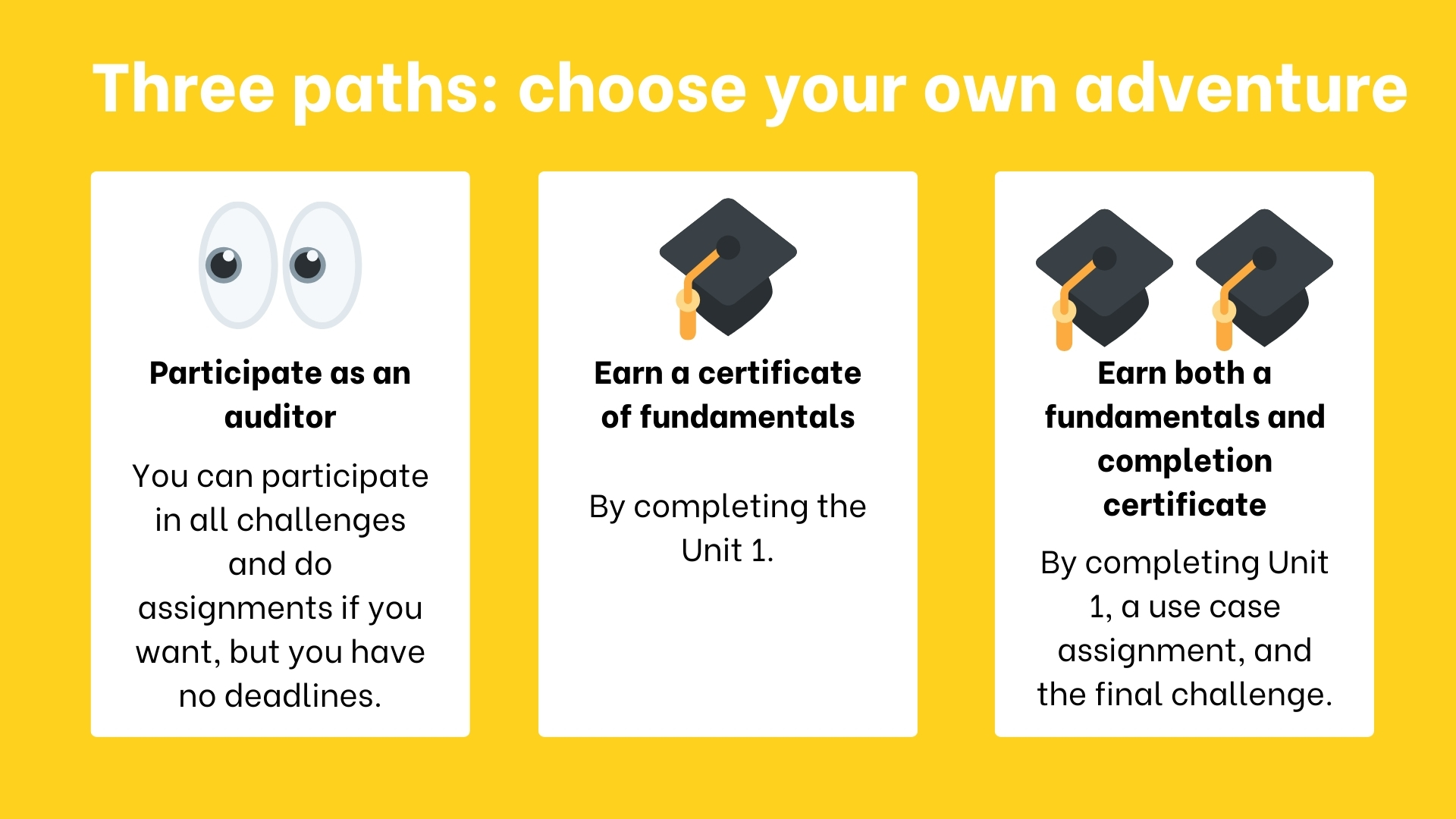
You can earn certifications when you finish huggingface courses. The programs offer different levels, so you can start with entry-level and move up as you learn more. The table below shows what you need for each level:
Certification Level | Key Requirements | Typical Duration |
|---|---|---|
Entry-Level | Basic Python, ML concepts, complete 80% of assignments | 4-6 weeks |
Intermediate | Advanced Python, ML frameworks, complex project | 8-12 weeks |
Advanced | Expert ML skills, research project, original AI contribution | 12-16 weeks |
You can show your skills and knowledge by earning these certifications.
Course Details and Content
LLM Course
You will start your journey with the LLM Course if you want to master large language models. This course helps you understand how LLMs work and how you can use them in real-world tasks. The curriculum follows a clear roadmap that guides you through both theory and practice.
Roadmap | Focus Area |
|---|---|
The LLM Scientist | Building the best possible LLMs using the latest techniques. |
The LLM Engineer | Creating LLM-based applications and deploying them. |
Core Topics | Learning Objectives |
LLM Architecture | Understand the evolution of Transformer architectures and their text processing capabilities. |
Tokenization | Learn how text is converted into numerical representations and its impact on model performance. |
Attention Mechanisms | Master self-attention concepts and their role in processing long-range dependencies. |
Sampling Techniques | Explore various text generation methods and their tradeoffs. |
You will work on hands-on labs and case studies. These projects help you apply what you learn to real problems. For example, you might build and share your own model on the Hugging Face Hub. You will also see how other platforms, like Google Cloud and DeepLearning.AI, use similar hands-on projects to teach about LLMs.
The LLM Engineer Certifications program includes case studies and hands-on labs.
You will use real datasets and tools from the Hugging Face ecosystem.
You will finish the course with a project that shows your skills.
Tip: You do not need to know PyTorch or TensorFlow before starting, but knowing Python will help you learn faster.
Agents Course
The Agents Course teaches you how to build and use AI agents. You will learn both the theory and the practical steps needed to create your own agents. This course uses popular libraries like smolagents, LlamaIndex, and LangGraph.
Target Audience | Skills Gained | |
|---|---|---|
AI Agents in theory, design, and practice. Using libraries like smolagents, LlamaIndex, and LangGraph. Sharing agents on the Hugging Face Hub, participating in challenges, and earning a certificate. | Beginner to Expert | Understand how AI Agents work and how to build your own using the latest libraries and tools. Learn to share and evaluate agents within the community. |
You only need basic Python and some knowledge of LLMs to get started. The course ends with a final project. You will test your agent’s reasoning skills using the GAIA benchmark.
Outcomes | |
|---|---|
Basic knowledge of Python | Participants will learn to build AI agents using frameworks like SmolAgents, LlamaIndex, and LangGraph. |
Basic knowledge of LLMs | The course culminates in a final project involving the GAIA benchmark, testing reasoning capabilities of AI agents. |
You will also join a community of learners who share and review each other's agents. This helps you improve your skills and learn new ideas.
MCP Course
The MCP Course gives you a deep understanding of Model Context Protocol. You will follow a systematic learning path that starts with basic concepts and ends with real project development.
Section | Description |
|---|---|
Systematic Learning Path | Covers core content of Model Context Protocol from basic concepts to practical project development. |
Project-Oriented Practice | Provides complete development experience and code examples from theoretical learning to hands-on practice. |
Course Units | Includes foundational units, hands-on sections, use case assignments, and collaborations with partners. |
You will move through several stages:
Getting Started: Learn what MCP is and how to prepare for the course.
MCP Fundamentals: Study the main ideas and architecture behind MCP.
End-to-end Use Case: Work on projects that use MCP in real situations.
Deployed Use Case: Learn best practices for using MCP in production.
You will finish the course with a project that shows you can use MCP in real-world ai applications.
Transformers Course
The Transformers Course helps you understand how transformer models work. You will learn both the theory and how to use these models in practice.
Component | Description |
|---|---|
Covers fundamentals of transformer models and their workings. | |
Hands-on Exercises | Practical sessions for applying theoretical concepts to real-world tasks like fine-tuning models. |
Practical Applications | Implementation of various NLP applications to solidify understanding of the concepts learned. |
You will start with the basics of transformer models. Then, you will move to hands-on exercises. These exercises let you fine-tune models and solve real NLP problems. You will also build applications that use transformers for tasks like text classification and question answering.
Note: The Transformers Course is a great choice if you want to use huggingface courses to build your own ai projects.
Formats and Levels
Hands-On Learning
You will find that HuggingFace courses use many different formats to help you learn about ai. The most popular format is hands-on labs. These labs let you practice what you learn right away. You can build models, test ideas, and see results quickly. This approach helps you understand how transformers work in natural language processing.
Here is a table showing the main formats you might use:
Format Type | Description |
|---|---|
Hands-on Labs | Practical applications to master Transformers in NLP. |
Interactive Notebooks | Work with code and explanations in one place. |
Video Lectures | Watch and listen to lessons from experts. |
You will also join open source projects and research challenges. These activities let you learn from others and share your own work. You can start with small use cases and get feedback from the community. This makes learning fast and fun. Many hands-on courses use these methods to help you build real ai skills.
Tip: Try the practical exercises and join community projects to learn faster and remember more.
Beginner to Advanced
Huggingface courses welcome learners at every level. If you are new to ai, you can start with beginner lessons. These lessons teach you basic Python and simple machine learning ideas. You do not need to be an expert to begin.
As you learn more, you can move to intermediate and advanced topics. You will work on bigger projects and use more complex tools. Here is a table that shows what you might need for each level:
Prerequisite | Description |
|---|---|
You will use Python to work with Hugging Face tools and ai examples. | |
Foundational Machine Learning | Some experience with building models or data pipelines helps a lot. |
Introductory NLP concepts | Knowing a little about NLP makes the technical parts easier to follow. |
For Non-Developers | A general idea of programming and a love for learning ai is enough to start. |
You can choose your path based on your skills and interests. Beginners can start with simple projects. More advanced learners can dive into research and open source contributions.
Choosing the Right HuggingFace Course
Assess Your Goals
Start by thinking about what you want to achieve. Do you want to build your own models, learn about ai and related topics, or get a certification? Each Hugging Face course focuses on a different area. Some courses help you understand large language models, while others teach you how to use agents or work with images and audio. Make a list of your interests. This will help you pick a course that matches your goals.
Match Skill Level
You should choose a course that fits your current skills. If you are new to programming, start with beginner courses that teach basic Python and simple machine learning ideas. If you already know Python and some machine learning, try intermediate or advanced courses. The table below can help you decide:
Skill Level | Recommended Course Type |
|---|---|
Beginner | Intro to AI, LLM Course |
Intermediate | Agents Course, MCP Course |
Advanced | Transformers Course, Research |
Many new learners face challenges when they start. Here are some common ones and ways to overcome them:
Handling ambiguity in generated text. Try using context-aware decoding or fine-tune your models on specific data.
Reducing environmental impact. Use energy-efficient training methods and optimize your hardware.
Getting Started
You can begin your learning journey with a few simple steps:
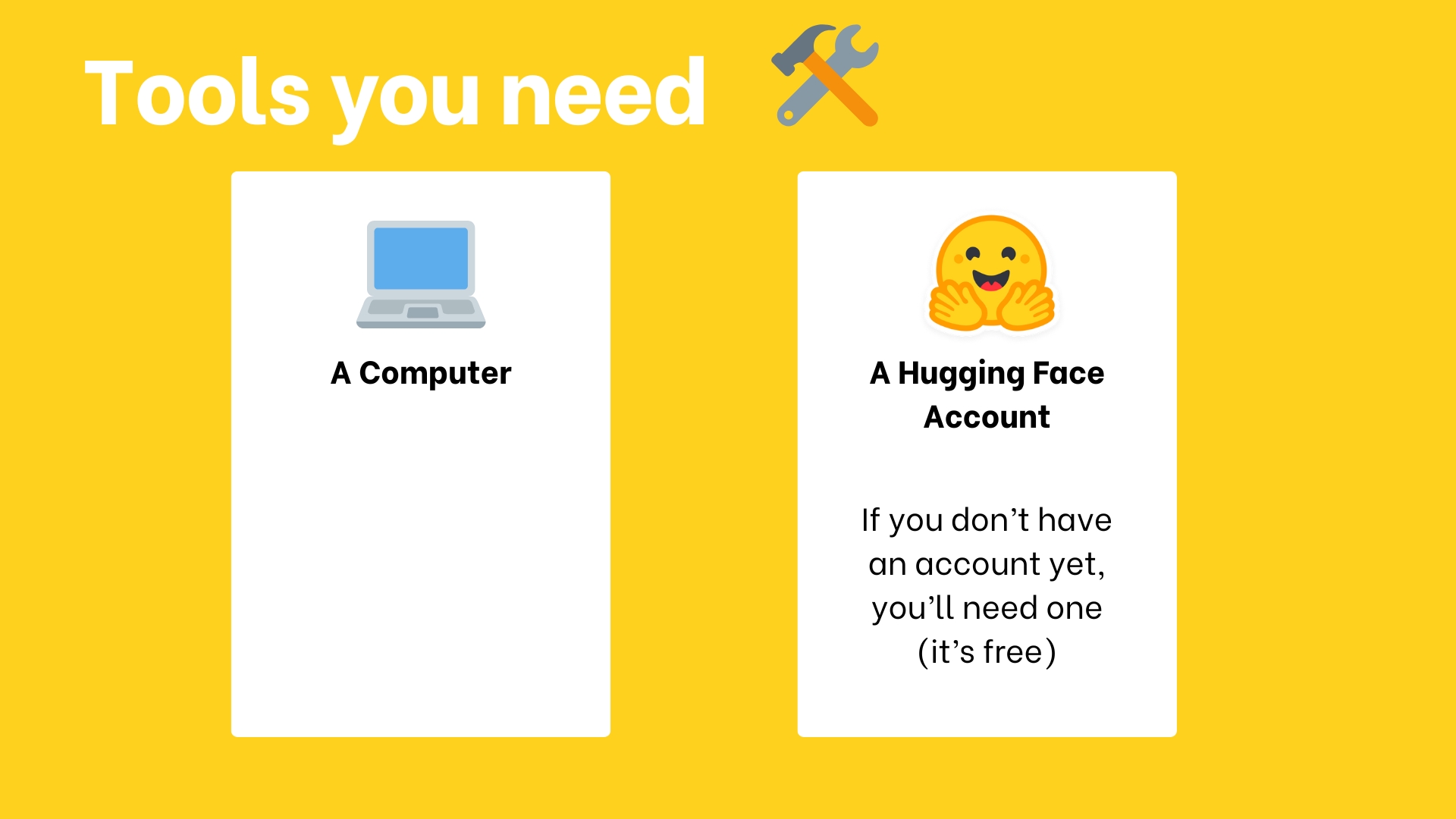
Create a Hugging Face account. Sign up with your email and password.
Set up your environment. Install Python (version 3.8 or higher) and Pip. Then, install Hugging Face libraries using
pip install transformers.Choose a code editor or IDE. Make a project folder and set up a virtual environment.
Hugging Face is free to use. You can create and upload models without paying extra fees. This makes it easy for anyone to start learning about ai.
Tip: Join the Hugging Face community to share your projects and get feedback from others. This will help you learn faster and stay motivated.
You can find Hugging Face courses that fit your interests and skill level. Many learners value the clear structure and foundational knowledge these courses provide.
You gain skills that boost your career and make you stand out to employers.
Certifications show your expertise and connect you with exclusive resources.
The Hugging Face community helps you discover new research and share models with others.
Program Name | Contribution to Learning and Support |
|---|---|
Empowers you to grow your impact and join the open-source AI world. |
Join the community to keep learning and stay ahead in AI.
FAQ
What do I need to start a Hugging Face course?
You need a computer, internet access, and a basic understanding of Python. You can sign up for a free Hugging Face account. Most courses guide you step by step.
Are Hugging Face courses really free?
Yes, you can access all Hugging Face courses for free. You do not pay for lessons or certification. You can learn and earn certificates without any cost.
Can I get a certificate after finishing a course?
You receive a certificate when you complete a course and its assignments. You can share this certificate on your resume or LinkedIn profile. It shows your skills to others.
How long does it take to finish a course?
Most courses take 1 to 2 hours. Some advanced programs may take a few weeks. You can learn at your own pace and revisit lessons anytime.
Do I need to know machine learning before starting?
You do not need deep machine learning knowledge for beginner courses. You can start with basic Python skills. As you progress, you will learn more about AI and machine learning.
See Also
Jule The AI Tool Simplifying Software Development Processes
Tips for Crafting Effective Prompts for Nano Banana
Growing Interest in European Startups Among Investors

© Copyright 2025 LinkstartAI - All Rights Reserved.