AI voice cloning workflow and its impact on music creation

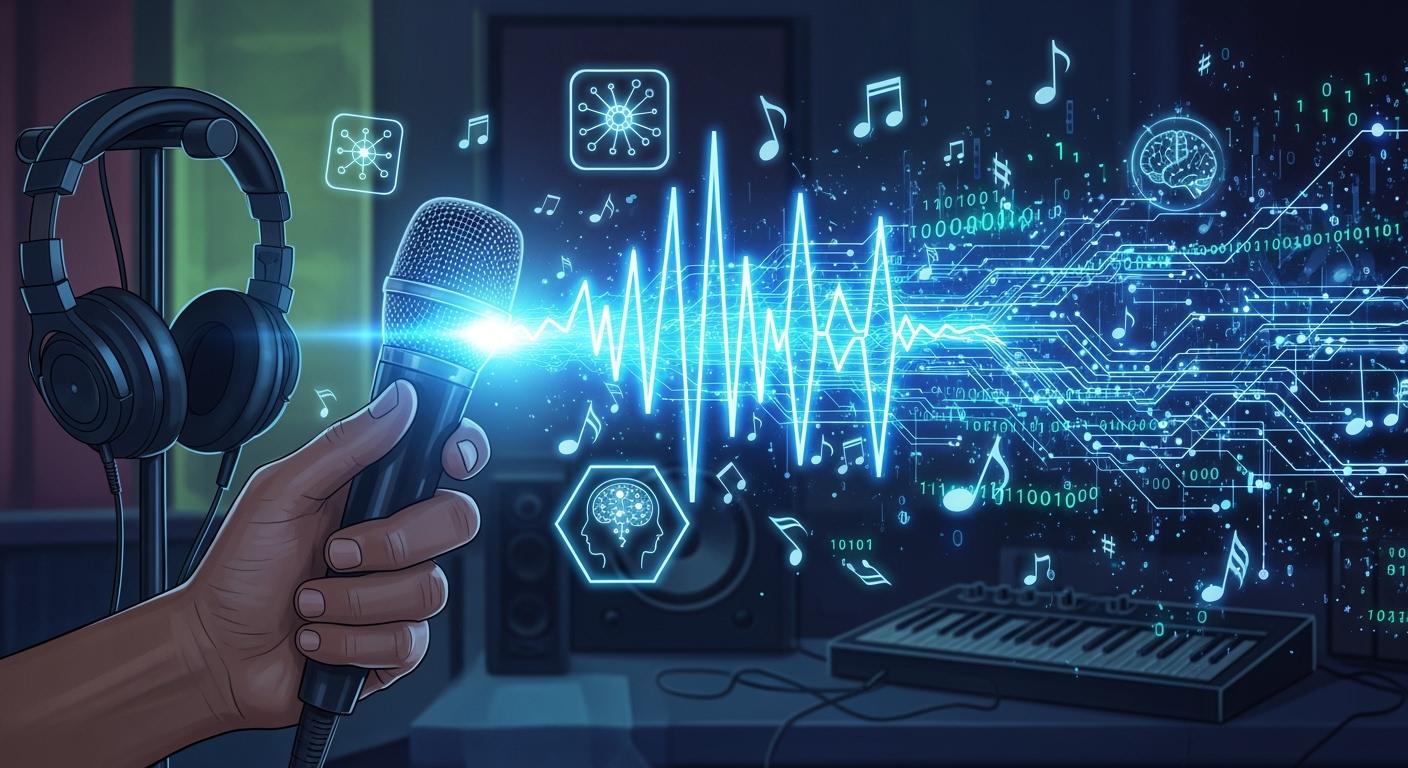
You can use AI voice cloning to make singing voices with technology. This tool lets you create music even if you cannot sing or record yourself. You pick a reference singer and upload audio samples. The AI voice cloning workflow changes your melodies and lyrics into vocal tracks. This process brings up an important question: how does this workflow change music making for you and other creators?
Key Takeaways
AI voice cloning lets anyone make music without singing. You can turn your ideas into songs fast and easily.
The workflow starts by picking a reference singer. Then, you upload audio samples. The AI makes vocals that fit your melody.
You can try out many vocal styles and harmonies. This helps you make demos and full songs quickly.
Always ask for permission before using someone’s voice. It is important to respect artists' rights when using AI.
AI voice cloning can help you be more creative. But it should not take the place of your own style. Use it as a tool to share your ideas.
AI Voice Cloning Overview
What Is AI Voice Cloning
AI voice cloning lets you make a digital copy of someone’s singing or speaking voice. This technology uses smart computer models to learn how a person sounds. You give the system short audio clips. The system listens and studies how the person talks or sings. It then builds a model that can copy the same style.
AI voice cloning is different from old vocal synthesis tools. It does not just make basic sounds. It copies the special things that make each voice different. You can hear feelings, tone, and small details in the cloned voice. In tests, people often think these voices are real. For short clips, 88% to 94% of listeners accept them as real.
The main technology behind AI voice cloning has a few key parts:
Variational autoencoders shrink the input sounds into a smaller space.
Transformers make new audio from this smaller space.
Generative adversarial networks (GANs) help make the voice sound more real.
The process has several steps:
The AI finds important features in the audio to spot key vocal traits.
It splits the voice into its source (vocal cords) and filter (vocal tract).
Deep learning models work on these parts and keep their connection.
The system puts everything together to make a new, clear vocal sound.
Why It Matters in Music
AI voice cloning helps people make music in new ways. If you have a melody or lyrics but cannot sing, this tool lets you share your ideas. The AI voice cloning workflow lets you pick a reference singer, upload samples, and make vocals that fit your song.
This technology lets you:
Make music even if you cannot sing.
Try out different vocal styles and feelings.
Create demos and full songs fast.
AI voice cloning makes music easier for everyone. You do not need a fancy studio or expensive gear. You can focus on your ideas and let the AI do the singing. This change affects how you and others write songs and make music.
AI Voice Cloning Workflow

Workflow Steps for Music Creation
You can create music with the AI voice cloning workflow even if you do not sing or have a studio. This process gives you a step-by-step path from idea to finished song. Here is how you can use this workflow:
Step | Description |
|---|---|
1 | Obtain consent from the voice owner and store approvals. |
2 | Collect clean training audio in a quiet environment. |
3 | Clean the audio by removing silences and normalizing volume. |
4 | Create a script style guide to minimize retakes. |
5 | Implement a quality gate to check for issues before publishing. |
6 | Ensure consistent mixing and export settings for the final output. |
You start by choosing a reference singer. You find a short clip that matches the style you want. Next, you upload several audio samples. These samples should be clear and free from background noise. You then train a custom model using these samples. This step takes about 30 minutes. After that, you input your melody and lyrics. The AI uses your model to generate singing that matches your music. You can adjust the voice for emotion and clarity. Finally, you mix the vocals in your digital audio workstation (DAW).
Tip: You do not need to sing or record yourself. The AI voice cloning workflow lets you focus on your ideas and creativity.
This workflow opens music creation to everyone. You can make songs, demos, and even full albums without singing skills. You break the old limits that kept non-singers from sharing their music.
Model Training and Voice Generation
To train an AI voice cloning model, you need the right data. You should gather at least 30 minutes of vocal material. Try to include a wide range of pitches and singing styles. Use both soft and strong notes. Add different emotions and delivery styles. If you want the best results, aim for one hour or more of high-quality audio. Studio recordings help, but you can start with clear home recordings.
Collect at least 10 minutes of audio for basic needs.
Use 30 minutes for convincing results.
Gather one hour or more for excellent quality.
Cover many singing and speaking styles.
Include various vocal expressions.
Once you have your data, the AI studies the voice. It learns how the singer sounds in different situations. The model copies the unique traits of the voice. When you enter your melody and lyrics, the AI generates new vocals that sound like your chosen singer. You can fine-tune the output. Adjust timing, pitch, and emotion to match your vision.
The AI voice cloning workflow gives you a virtual singer. You can use this singer to record new songs as many times as you want. You do not need to worry about studio time or vocal fatigue. This process makes music creation faster and more flexible for you.
Note: Always make sure you have permission to use any voice you clone. Respect the rights of the original singer.
The AI voice cloning workflow changes how you make music. You can now create professional-sounding tracks from your home. You do not need special equipment or singing talent. This technology puts the power of music production in your hands.
Applications in Music Production
Songwriting and Demos
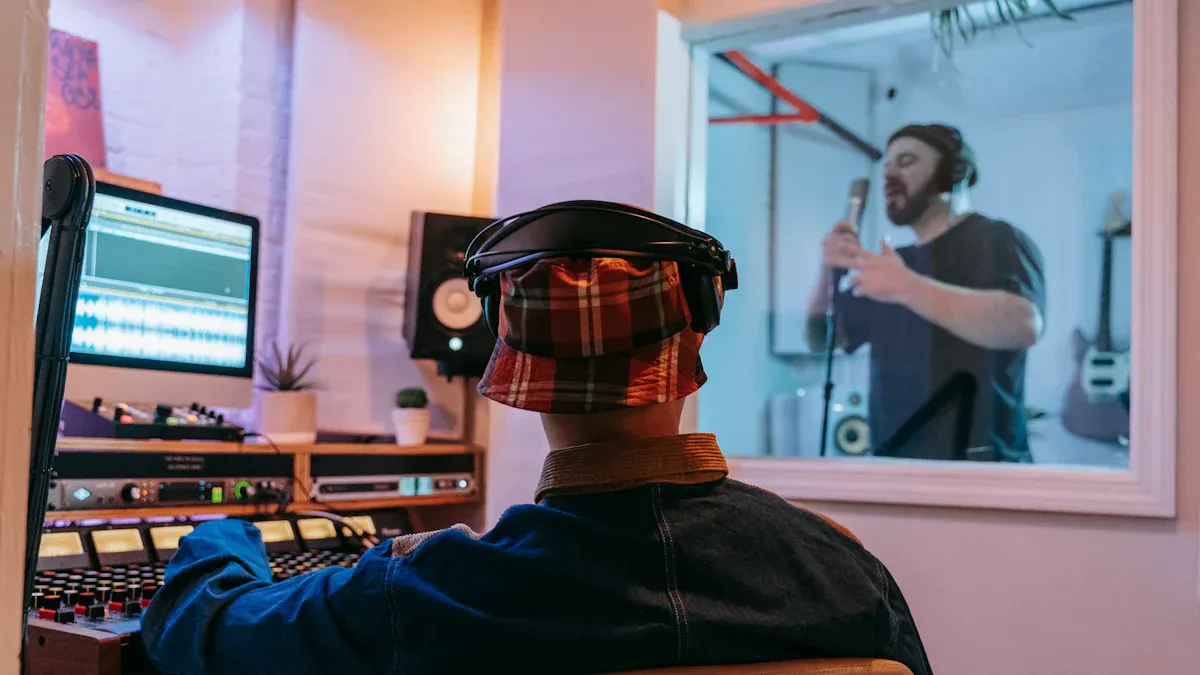
AI voice cloning workflow helps you make songwriting demos fast. You can use this tool even if you cannot sing. Many music producers use it to make good vocal tracks without hiring singers. You can try out different singing styles and harmonies to see what works best. This means you can work late at night or whenever you get ideas. You do not have to wait for a singer to record your demo.
You can make demos quickly and with little effort.
You can try many singing styles.
You can create harmonies without needing more singers.
With AI, you can turn a simple tune into a full demo in just minutes.
Harmonies and Vocal Layers
AI voice cloning lets you add harmonies and layers to your music. These harmonies sound real and full of feeling. The system listens to pitch, rhythm, and tone to make harmonies that fit your main vocals. Most people cannot tell if the harmonies are made by AI or a real singer.
AI makes harmonies that sound natural.
The technology copies things like vibrato and timing.
You can make harmonies from just one vocal track.
Independent producers can now use pro harmony tools.
This method makes your music sound polished and complete.
Creative Experimentation
AI voice cloning lets you try new things in music. Many creators mix different singing styles and genres with this tool. You can test cool vocal effects and blend AI voices with instruments. Some platforms have a library of AI voices with different accents, genders, and feelings. This helps you pick the best sound for each song.
You can try mixing music genres.
You can pick the mood and style for every track.
You can quickly test new song ideas.
AI voice cloning workflow gives you new ways to make and explore music.
Impact on Music Creation
Benefits for Creators
Now, you can make music even if you cannot sing. The AI voice cloning workflow lets you turn your ideas into real songs. You do not need to pay a singer or go to a studio. You can train your own AI model to sing your lyrics and melodies.
You can make music, even if you cannot sing.
You can create covers with a special AI voice.
You can use pitch tools and make harmonies easily.
You can turn your ideas into songs that sound professional.
AI voice cloning workflow lets anyone become a music creator. You can think of any vocal part and make it real.
This technology makes music creation easier and more creative. You can try out new voices and styles. You can work when you want and test new ideas without limits.
Challenges and Concerns
There are also problems with AI voice cloning. Some people use this technology in bad ways. They might copy voices to trick others or do scams. The voices can sound so real that it is hard to tell if they are fake.
Challenge Type | Description |
|---|---|
Fair Use | Courts may have trouble deciding if using AI voice copies is fair, so the law is not clear. |
Copyright Protection | Voices do not have copyright, so using AI voices without asking can cause legal problems. |
Industry Disruption | If AI voice cloning becomes popular, it could change music jobs and affect singers, studios, and labels. |
Some recent court cases show how big these problems are. For example, Tupac Shakur’s family told Drake not to use an AI version of Tupac's voice. This shows that using famous voices without asking can lead to lawsuits. You should always ask before using someone’s voice.
AI voice cloning can be used for scams, like copying voices to trick people.
It is hard to know if a voice is real or made by AI.
You need to be careful and use AI voice cloning in a good way.
Effects on Vocalists
If you are a singer, you might feel both excited and worried about AI voice cloning. Some singers think it could take away their jobs. Others see new ways to be creative and reach more fans. You might worry about someone stealing your voice or your work losing value.
Others think it helps them try new things and find new fans.
Many artists want new laws to protect their voices.
AI voice cloning affects everyone, not just famous singers. Anyone’s voice could be copied. This can hurt you if someone uses your voice without asking. Still, AI voice cloning can help you try new sounds and styles. You can use it to make your music better and reach more people. You should support new rules that protect your rights and your art.
AI voice cloning workflow gives you new tools, but you should use them with respect for others.
Addressing Challenges
Ethics and Transparency
You have a big part in using AI voice cloning the right way. Ethical rules help you make smart choices with AI in music.
Tell people if you use AI vocals in your songs.
Respect artists’ rights, especially for business projects.
Many voice actors worry about how their voices are used. They often do not know where their voices end up. Some actors say they cannot stop others from misusing their voice data. This lack of control means you should be open and honest when using AI voices.
Tip: Tell your fans if a song uses AI vocals. This helps build trust and shows you respect artists.
Supporting Human Artists
AI voice cloning should help people be creative, not take their place. New tools and laws help artists as AI gets bigger in music. The ELVIS Act protects musicians from people using their voices without asking. It lets artists go to court if someone uses their voice without permission.
Initiative | Description |
|---|---|
ELVIS Act | Protects musicians from unauthorized use of their voices through AI, allowing them to sue for damages and setting ethical standards. |
Some platforms, like Vocalist AI and Moises’ Voice Studio, make sure artists get paid. Kits.ai and Voice Swap AI offer voices with fair contracts. Spotify and YouTube help by removing AI songs that are not allowed.
You can help artists by picking platforms that pay and protect them. The US Copyright Office says we need new laws to keep artists safe as AI grows.
Legal Issues
You must follow the law when using AI voice cloning. The Right of Publicity protects a person’s special voice. You need permission to use someone’s voice in music for money. Courts have helped artists like Bette Midler and Tom Waits when companies copied their voices without asking.
“The Right of Publicity protects the essence of a person, including their unique voice, and requires their permission for commercial use.”
If you use AI voices, always get a contract or clear okay. Using voices from public data without asking can cause legal problems. It is safer to use voices with the right agreements.
Future of AI Voice Cloning in Music
Trends and Innovations
You will notice many new changes in AI voice cloning for music. This technology now lets you make songs in many languages. You can use AI to create versions of your music in different languages. AI helps keep the emotion and style of the original singer. Many artists and companies want to use AI in fair ways. They make sure to get permission before cloning a voice. Working with AI is important, but people still play a big part. You and other creators use AI together to make better music.
Here are some cool new things you might see soon:
Innovation Type | Description |
|---|---|
Real-Time Cloning | Lets you use cloned voices live with no wait. |
Emotionally Intelligent Voices | Adds real feelings to AI-made singing. |
Integration Across Devices | Brings AI voices to smart speakers and wearables. |
Stronger Safeguards | Uses watermarks to show if a voice is real or cloned. |
AI voice cloning can help save famous voices and finish old songs. You can also make music that feels real and honors artists’ wishes.
Industry Changes
The music industry is changing quickly because of AI voice cloning. Creative work is now more flexible and not just one way. Producers use AI voices to try new sounds and styles. Platforms like Respeecher let you use AI voices for many types of music and make demos fast. Some artists, like Aloe Blacc, use AI to sing in many languages. The industry faces new legal and fair use questions. Companies and lawmakers work on rules to protect artists and fans. You will see more focus on getting permission, being honest, and using AI fairly as these tools grow.
AI helps you try new music ideas.
The industry wants to keep music special and protect artists’ rights.
New laws and rules will decide how you use AI voices later.
Balancing Tech and Creativity
You can use AI voice cloning to help your creativity, not replace it. Think of AI as your helper when making music. You bring your ideas and feelings, and AI helps you try new things. People are still in charge. You choose how the music sounds and what feelings it shows. Many experts say you should care about the feelings your music gives to listeners. Use AI to make your music better, but keep your own style strong.
Use AI to help, not to take over your music.
Keep your music personal and full of feeling.
Protect your own voice while trying new technology.
The future of music will mix your ideas with AI, giving everyone new chances.
AI voice cloning changes how you create music. You can make songs faster, reach new audiences, and try new artistic ideas.
You can use AI to perform live, mix languages, and speed up your workflow.
You must respect artists’ rights and follow ethical rules.
Start with clean recordings and always get consent before cloning a voice.
Stay informed about new laws and best practices. Use AI voice cloning to boost your creativity while protecting everyone’s rights.
FAQ
How do you choose a reference singer for AI voice cloning?
Pick a singer whose style matches your song. Use a clear, short audio clip. Make sure you have permission to use their voice. This helps the AI learn the right vocal traits.
Can you use AI voice cloning if you cannot sing?
Yes! You do not need singing skills. You provide your melody and lyrics. The AI generates vocals for you. This lets you create music without recording your own voice.
Is it safe to use AI voice cloning for commercial music?
You must get permission from the voice owner. Always check legal rules before releasing music. Using voices without consent can cause problems. Respect artists’ rights to avoid issues.
What equipment do you need to start with AI voice cloning?
You need a computer and internet access. You upload audio samples and use online platforms. No studio or special gear is required. You can work from home.
See Also
AI Voice Cloning Helps Video Creators Cut Costs Dramatically
Streamlined Workflow for Musicians Using ACE Studio 2.0
Comparing ACE Studio 2.0 and Suno AI: Top Music Tool 2026
My Journey: 10 Songs in 5 Days with ACE Studio and ChatGPT
Revolutionary Google Antigravity AI Tool Transforms Coding Landscape

© Copyright 2025 LinkstartAI - All Rights Reserved.